
How to Price Your First Wedding Photography Packages in 2026
Jun 11, 2026
If you've ever stared at a blank pricing page wondering what on earth to charge for your first wedding, take a breath. You're not bad at business. You've just never been taught this part. Almost every photographer we've mentored has frozen at this exact step.
Pricing isn't about pulling a number out of thin air or matching whoever's cheapest in your city. It's about understanding what your work is worth, what it actually costs you to show up, and building packages that feel fair to you and your couples. Let's walk through it.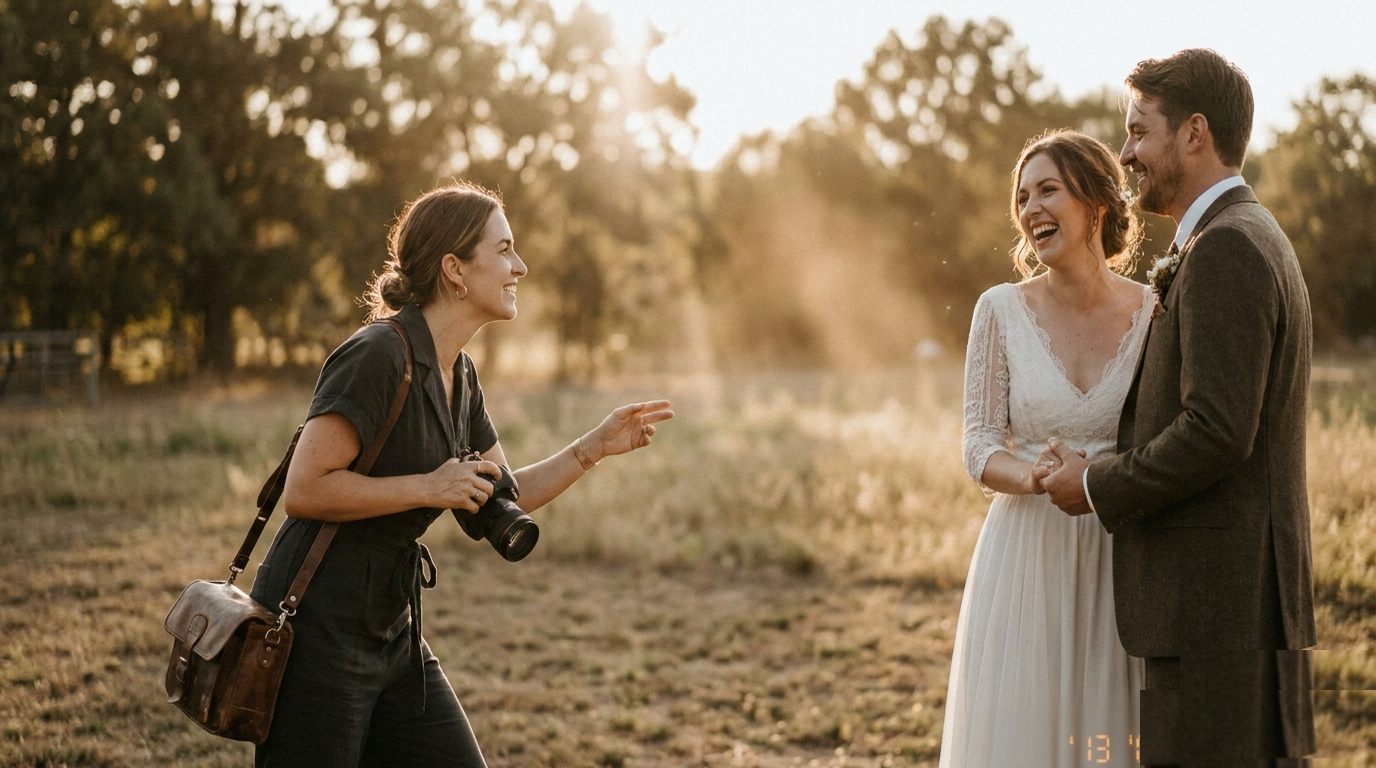
What Couples Actually Pay in 2026
Here's some encouraging news as you head into booking season: couples are still protecting their photography budgets, even as overall wedding spending climbs. Industry trend reports from The Knot Worldwide and Zola put the average 2026 wedding around $36,000, a record high, with photography landing firmly in the "non-negotiable" category for most couples.
For pricing context, The Knot's wedding photographer cost data puts the national average between roughly $2,500 and $5,000, with newer photographers typically starting lower as they build a portfolio. That range is your map, not your mandate, where you land depends on your market, your experience, and what you include.
The takeaway: there is real budget out there for wedding photography. You don't have to be the bargain option to get booked.
Why "Cheap" Is the Most Expensive Mistake
We get it, when you're new, charging very little feels safe. It lowers the pressure and makes it easier to say yes. But undercharging quietly becomes the thing that keeps you stuck.
When you price too low, you have to book far more weddings to make a living, which means more editing, more travel, more burnout, and less time to actually get better at your craft. You also attract couples who are shopping on price alone, who are often the hardest to please.
Charging a fair rate isn't greedy. It's what lets you deliver a calm, professional experience, invest in better gear and education, and stay in this industry long enough to become great. Confidence behind the camera starts with confidence in your worth.
Start With Your Cost of Doing Business
Before you set a single price, figure out what one wedding actually costs you to deliver. This is the number most beginners skip, and it changes everything.
Add up the real expenses behind a wedding: gear and lens maintenance, camera insurance, editing software, your second shooter or assistant, travel, backup drives, your website and email tools, and the hours you spend editing afterward (usually far more than the day itself). Don't forget taxes and the gear you'll eventually need to replace.
Once you know your cost per wedding, your pricing floor becomes obvious, anything below it means you're paying to work. From there, you price up for your time, talent, and the experience you create. Pricing for profit instead of comparison is one of the biggest mindset shifts we teach.
Build Packages, Not Just a Price
Couples book experiences, not line items. Instead of a single hourly rate, offer two or three clear packages that make choosing easy.
A simple structure that works well for newer photographers: a starter package with essential coverage (say, 6 hours and a gallery of edited images), a middle package with more hours plus an engagement session, and a top-tier option with full-day coverage and a few add-ons. Most couples gravitate to the middle, which is exactly why the middle should be the one you most want to sell.
One 2026 trend worth building in: according to those same industry reports, a growing share of couples now ask their photographer for social-first, shareable content alongside the traditional gallery. A small "social highlights" add-on can set you apart and add value without slashing your rates.
How to Raise Your Rates as You Grow
Your first prices are a starting line, not a life sentence. As your portfolio fills out and your calendar fills up, raising your rates is healthy and expected.
A good rule of thumb: when you're booking consistently and starting to turn dates away, it's time to nudge your prices up. Small, steady increases attract better-aligned couples and protect your time, and they signal that your work is in demand. You don't need to announce it or apologize for it. You just update your packages and move forward.
You're Closer to Booked Than You Think
Pricing feels scary because it forces you to put a number on something you love. But once you anchor it to real costs and real market data, it stops being a guess and starts being a plan. You've got this.
Ready to take the next step? Watch our free posing workshop. It's 80 minutes filmed live in an Ottawa park with a real couple, chaptered so you can skip to what you need, and the Ultimate Playbook comes with it. And when you're ready to go deeper on the full process, from pricing to posing to running a smooth wedding day, our Wedding Photography Foundations course is your complete roadmap.
Sources: The Knot Worldwide, Future of Marriage: 2026 Trends to Watch; Zola, The First Look Report 2026; The Knot, Average Wedding Photographer Cost.